
EMERGENCY ROOF REAPAIR IN GLENDALE
Emergency Roof Repair Services in Glendale, CA
Here’s the thing about roofing emergencies. They don’t happen during business hours on sunny Tuesday afternoons. You get that call at 9 PM during a rainstorm because water is pouring through the living room ceiling. Or the Santa Ana winds rip off a section of shingles and suddenly rain is forecast for tomorrow. Maybe a tree branch punched through your roof during that freak weather event nobody predicted.
We get these calls regularly in Glendale. Homeowners are understandably stressed when water is actively damaging their home. Some people are frantically moving furniture and putting out buckets. Others are dealing with insurance companies while trying to find someone who’ll actually show up. Most folks have never needed emergency roof repair before and don’t know what to expect.
Our crew has handled emergency roof situations throughout Glendale and surrounding areas for over 10 years. We’ve responded to storm damage, fallen trees, fire damage, vandalism, and various other situations requiring immediate attention. The goal is always to stop further damage quickly and then plan proper permanent repairs.
What Qualifies as an Emergency Roof Situation
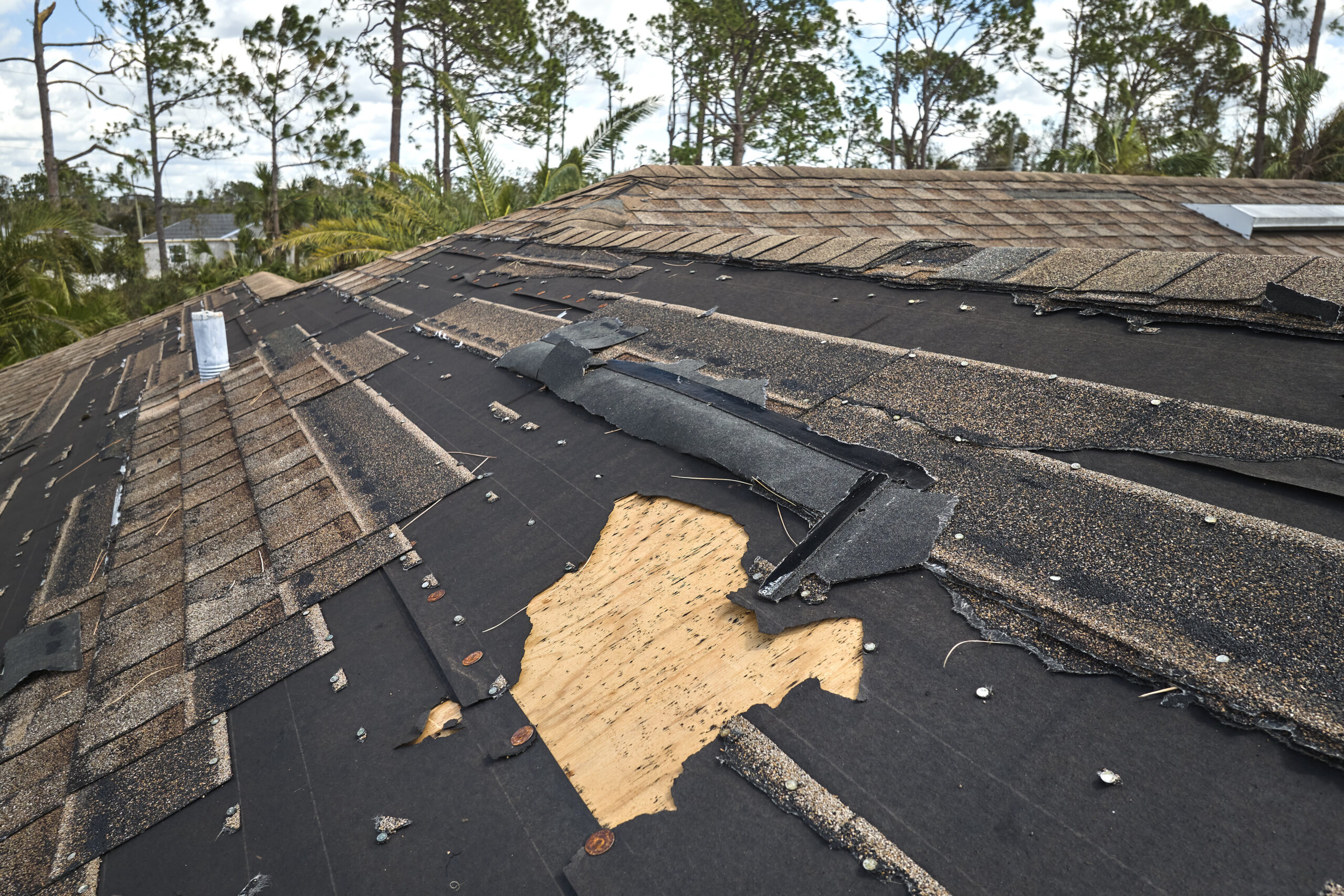
Emergency roof repair means situations where immediate action prevents ongoing property damage. Active leaks during storms qualify. Holes in the roof from fallen objects or fire damage need immediate tarping. Large sections of missing roofing material expose your home to weather and require urgent temporary protection.
Not every roof problem is an emergency. That leak you’ve been ignoring for six months isn’t suddenly an emergency because you finally noticed the ceiling stain. A few missing shingles on a sunny day can wait for regular scheduling. We’ll be straight with you about whether your situation truly needs emergency response or can be handled during normal business hours.
True emergencies involve water intrusion during weather events, structural damage creating immediate safety hazards, large openings exposing your home interior to elements, fire or storm damage requiring immediate weatherproofing, and situations where delays will cause escalating damage. These scenarios justify emergency service calls and pricing.
The typical emergency repair involves temporarily stopping water intrusion or securing damaged areas until proper permanent repairs can be completed. We’re not doing full roof replacements at midnight during storms. We’re preventing your ceiling from collapsing and your belongings from getting destroyed.
In our experience, most emergency calls in Glendale result from wind damage during Santa Ana conditions, heavy rain overwhelming aged or damaged roofs, fallen tree branches or other debris impact, and occasionally earthquake damage to chimneys or roof structures. Each situation requires assessment and appropriate temporary measures.
Our Emergency Response Process
When you call with an emergency, we ask specific questions to assess urgency and what equipment we’ll need. Is water actively coming in? Where is it leaking? Can you access the area safely? Do you have tarps or buckets in place? Is the situation getting worse? These questions help us prioritize and prepare.
Response times vary by situation severity and current workload. During major storm events, we might be responding to multiple emergencies simultaneously. We prioritize based on severity and try to reach active leak situations within a few hours. Non-urgent situations might wait until the next day.
Our crew arrives with tarps, fasteners, emergency patching materials, and safety equipment. First priority is stopping water intrusion or securing openings. This might involve tarping damaged roof sections, temporarily patching holes, sealing breached areas, or setting up emergency drainage if water is pooling.
Emergency tarping is more involved than throwing a blue tarp over a hole. We secure tarps properly to prevent wind damage, create water channels to direct drainage, weight or fasten edges securely, and extend tarps beyond damaged areas to ensure coverage. Poorly installed tarps can cause additional damage if wind gets under them.
After securing the immediate problem, we assess what permanent repairs will require. We take photos, measure damaged areas, note materials needed, and identify any structural concerns. This information goes into a detailed estimate for permanent repairs.
Documentation matters for insurance claims. We photograph damage before and after emergency repairs. We note what caused the damage if evident. We provide written descriptions of emergency measures taken. This documentation helps with your insurance claim process.
Usually emergency repairs are temporary solutions. That tarp might last weeks or months depending on weather and your schedule for permanent repairs, but it’s not a long-term fix. We provide estimates for permanent repairs and schedule that work when materials and crews are available.
Equipment and Response Capabilities
Our emergency response trucks carry heavy-duty tarps in multiple sizes, roofing nails and fasteners, battery-powered tools for nighttime work, portable lighting, emergency patch materials, and safety equipment including harnesses and headlamps.
We can’t fix everything immediately. Major structural damage requires engineers and permits. Some repairs need specialty materials only available during business hours. Certain weather conditions are too dangerous for roof access. We’re honest about what’s possible immediately versus what requires daylight and dry conditions.
Safety dictates our response parameters. We don’t send crews onto roofs during lightning storms. Heavy winds make roof access dangerous. Ice on roofs creates fall hazards. We assess conditions and make judgment calls about whether emergency response is safe.
Water damage escalates rapidly. What starts as a drip becomes a flood. Ceiling materials saturate and collapse. Insulation becomes waterlogged and useless. Drywall swells and crumbles. Flooring warps. We’ve seen situations where a few hours of unchecked leaking caused tens of thousands in interior damage.
In Glendale’s climate, even brief water exposure can trigger mold growth. Warm temperatures and moisture create ideal conditions for mold. Once established, mold remediation is expensive and disruptive. Emergency response that stops water intrusion prevents mold problems.
Structural damage worsens with weather exposure. Roof decking delaminates when wet. Rafters can rot. Water running down walls damages framing and electrical systems. The longer structural components are exposed to weather, the more extensive repairs become.
Personal property damage adds to costs. Furniture, electronics, clothing, and other belongings get destroyed by water. Sentimental items may be irreplaceable. Quick response protects both your home structure and your possessions.
Insurance complications arise when emergency damage isn’t mitigated promptly. Most homeowner policies require reasonable efforts to prevent further damage. Delays in responding to emergencies might affect claim coverage. Emergency tarping demonstrates mitigation efforts.
We actually answer emergency calls. Some companies advertise emergency services but don’t answer phones after hours or on weekends. Our emergency line is staffed during reasonable hours and we return calls promptly.
Our crew responds based on actual urgency, not whoever pays the highest price. We prioritize situations with active water intrusion and safety hazards. We’re not trying to maximize emergency premiums. We’re helping people protect their homes.
Experience matters during emergencies. Our team has seen various damage scenarios and knows appropriate temporary measures for different situations. We work efficiently under pressure. Homeowners stressed about their roofing emergency need professionals who stay calm and solve problems.
We carry comprehensive insurance and licenses. This protects you if something goes wrong during emergency repairs. Accidents can happen, especially during urgent nighttime work. Our insurance covers property damage and worker injuries.
Emergency pricing is transparent. Yes, emergency calls cost more than regular scheduling. We explain pricing upfront. There are no surprise charges. You know what the emergency response will cost before we start.
Documentation quality helps with insurance claims. We photograph thoroughly and provide detailed written descriptions. Many homeowners tell us our documentation made their claim process smoother.
Service Areas for Emergency Response
We respond to emergency calls throughout Glendale, CA including hillside areas like Chevy Chase Canyon, downtown neighborhoods near Brand Boulevard, and communities throughout the city such as Montrose, Verdugo City, and Rossmoyne.
Response times vary by location and current call volume. Areas within Glendale proper typically get faster response than outlying areas. During major weather events affecting the entire region, response times extend as we handle multiple emergencies.
We also serve Burbank, Pasadena, La Cañada Flintridge, and nearby communities for emergency situations. Distance affects response time but we’ll help if we can reach you reasonably quickly.
The local geography affects roofing. Homes on hillsides face different wind exposure than those in flatter areas. Properties under mature trees deal with more debris. We adjust our approach based on your specific location and roof conditions.
Travel to surrounding cities is standard. We take jobs in Burbank, Pasadena, La Cañada Flintridge, and throughout Los Angeles County. If you’re within reasonable driving distance, we can help.
Emergency Roof Repair Questions
What actually qualifies as a roofing emergency?
Active leaks during storms, large holes exposing your home interior, fallen trees on the roof, fire damage requiring immediate weatherproofing, and structural damage creating safety hazards qualify as emergencies. Minor leaks that have been ongoing for weeks aren’t emergencies. A few missing shingles on a clear day can wait. If water is actively damaging your home or there’s a large opening exposing your interior, call for emergency service.
How quickly can you respond to emergency calls?
Response times vary from one to six hours typically, depending on severity, weather conditions, and current emergency call volume. During major storms affecting many homes, we might be handling multiple emergencies. We prioritize based on severity and try to reach the most urgent situations first. Sometimes we can provide phone guidance for temporary measures while crews are en route.
What’s the cost for emergency roof repair?
Emergency service calls typically range from $500 to $3,000 depending on time of day, extent of damage, and temporary measures required. After-hours and weekend calls cost more than business hours. Extensive tarping or complex temporary repairs cost more than simple patches. We explain pricing before starting work. This emergency cost is separate from permanent repair costs.
Will my homeowner insurance cover this?
Most policies cover emergency repairs related to sudden events like storms, fallen trees, or fire damage. Check your specific policy and deductible. We provide documentation for insurance claims. Emergency tarping and temporary measures usually qualify as covered mitigation efforts. Damage from long-term neglect typically isn’t covered.
How long will a tarp last on my roof?
Properly installed emergency tarps can last several weeks to a few months depending on weather exposure and wind conditions. They’re temporary solutions, not permanent fixes. We secure tarps to withstand normal conditions, but heavy winds or multiple weather events will eventually compromise them. Schedule permanent repairs as soon as practical.
Can you do permanent repairs during the emergency call?
Usually no. Emergency calls happen outside normal business hours and often during bad weather. Permanent repairs require proper materials, daylight, dry conditions, and sometimes permits. We focus on stopping immediate damage and securing your property. Permanent repairs get scheduled separately after we can properly assess damage and order necessary materials.
Should I try to tarp my roof myself before you arrive?
Only if you can do so safely from ground level or through an attic access. Never get on a roof during storms or at night unless you have proper safety equipment and experience. Falls from roofs cause serious injuries and deaths. If you can safely place tarps or buckets to catch water, that helps minimize damage. But don’t risk injury trying to access your roof in dangerous conditions.
What should I do while waiting for emergency response?
Move valuables and furniture away from leak areas. Place buckets or containers to catch dripping water. Take photos of damage for insurance documentation. Turn off electricity to affected areas if water is near outlets or fixtures. Contain water with towels to prevent spreading. Stay safe and don’t attempt roof access in dangerous conditions.
Do I need to be home when you arrive?
Ideally yes, so you can show us the problem areas and any interior damage. If you absolutely can’t be home, we need clear instructions about access and the problem location. Someone should be available by phone. We need to explain what we’re doing and get approval for work.
What happens after the emergency tarp is installed?
We provide a detailed estimate for permanent repairs. You contact your insurance company if applicable. We schedule permanent repairs based on material availability, weather forecasts, and your schedule. The tarp protects your home until permanent repairs are completed. We typically check on tarped areas after major weather events.
Experiencing a roof emergency in Glendale? Call our emergency response line now. We respond quickly to active leaks, storm damage, and situations requiring immediate attention. Our experienced crew will secure your property and prevent further damage. Don’t wait while your home suffers more damage. Call now for emergency roof repair service.