Your roof is more than just a cover—it’s your home’s first line of defense against the elements. In the USA, where weather can swing from scorching summers in the Southwest to brutal winters in the Midwest, choosing the right roofing setup is crucial. With 2026 bringing new trends in sustainability and smart tech, plus rising costs due to material fluctuations, now’s the time to get informed. Whether you’re planning a replacement, spotting early issues, or just curious about what’s hot in roofing, this guide covers it all. Let’s dive in.
Top Roofing Trends Shaping 2026
The roofing industry is evolving fast, driven by eco-conscious homeowners, tech integrations, and a push for durability amid extreme weather. Here’s what experts are highlighting for this year:
- Sustainable and Eco-Friendly Materials: Recycled shingles, green roofs, and products made from sustainable resources are surging in popularity. These options reduce environmental impact while cutting energy bills.
- Solar-Integrated Roofing: Solar shingles are becoming mainstream, blending seamlessly with traditional materials to generate energy. They’re more affordable and less obtrusive than ever, especially in sunny states like California and Texas.
- Cool Roofs for Energy Efficiency: Reflective materials that bounce back sunlight are a big hit in warmer climates, helping lower cooling costs by up to 20%. Think light-colored metal or specially coated shingles.
- Impact-Resistant and Smart Roofs: With storms on the rise, materials that withstand hail, wind, and fire are key. Add in sensors for leak detection and AI-driven inspections via drones for a “smart” upgrade.
- Metal Roofing Boom: Metal is moving beyond barns—neutrals like Burnished Slate, Charcoal Gray, and Matte Black are trending, especially in the Mountain West and Mid-Atlantic regions for their longevity and style.
- Synthetic Alternatives: Faux wood shakes and polymer-based tiles offer the look of natural materials with better weather resistance and lighter weight.
These trends aren’t just buzzwords; they’re responses to real needs like energy savings and climate resilience. If you’re in a fire-prone area like California or dealing with heavy snow in the Northeast, prioritizing these could save you big in the long run.
How Much Does a Roof Replacement Cost in 2026?
Budgeting for a new roof? Costs have ticked up slightly due to material shortages and labor demands, but here’s the breakdown based on national averages:
The typical roof replacement in the USA runs between $7,500 and $18,000, with most homeowners paying around $9,500. Factors like roof size, material, and location play a huge role—expect higher prices in urban areas like Chicago or Los Angeles.
| Material | Average Cost per Sq. Ft. (Installed) | Total for 2,000 Sq. Ft. Roof | Lifespan |
|---|---|---|---|
| Asphalt Shingles | $4.50–$8.50 | $9,000–$17,000 | 20–30 years |
| Metal | $4–$40 | $8,000–$80,000 | 40–70 years |
| Clay/Concrete Tiles | $10–$25 | $20,000–$50,000 | 50+ years |
| Slate | $15–$40 | $30,000–$80,000 | 75+ years |
| Solar Shingles | $20–$50 | $40,000–$100,000 | 25–30 years |
Pro tip: Get quotes from 3–4 local contractors to lock in the best deal. And don’t forget potential rebates for energy-efficient or solar options—check federal incentives like the Inflation Reduction Act extensions.
Best Roofing Materials for Different US Climates
The USA’s diverse weather means one material doesn’t fit all. Here’s a tailored rundown:
- Hot and Dry Climates (Southwest, like Arizona or Texas): Go for reflective options to beat the heat. Clay tiles, concrete tiles, and light-colored metal roofing excel here, with high solar reflectivity (0.40–0.85) to keep homes cooler. These materials resist UV damage and reduce AC strain.
- Cold and Snowy Climates (Northeast/Midwest, like New York or Minnesota): Metal, asphalt shingles, or slate handle freeze-thaw cycles and heavy snow loads. Metal sheds snow easily, preventing ice dams.
- Wet and Humid Climates (Southeast, like Florida or Louisiana): Moisture-resistant picks like metal, slate, or fiberglass asphalt shingles prevent mold and rot. Avoid wood unless sealed properly.
- Storm-Prone Areas (Gulf Coast or Tornado Alley): Impact-resistant shingles, metal, or concrete tiles stand up to wind and hail.
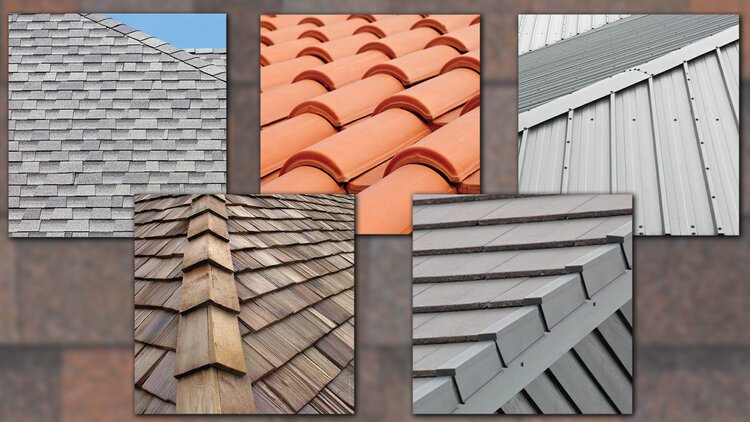
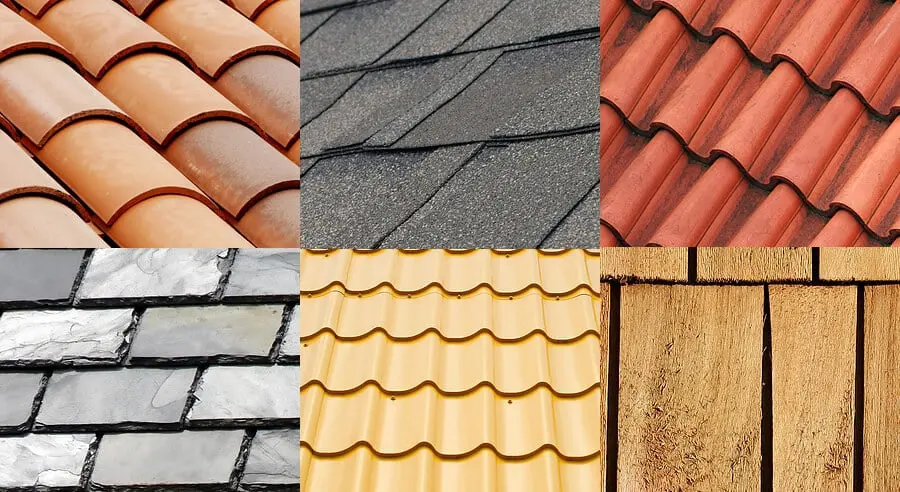
Visualizing these? Check out these examples of popular roofing materials:
Common Roofing Problems in the USA and How to Spot Them
Roofs take a beating, and ignoring issues can lead to costly repairs. Here are the top problems affecting millions of homes:
- Leaks: The #1 issue, impacting about 6 million households. Often from cracked flashing, missing shingles, or poor ventilation. Look for water stains on ceilings.
- Missing or Worn Shingles: Wind, age, or hail can strip them away, exposing your home to elements. Common in older homes.
- Pooled Water and Sagging: Flat roofs or poor drainage lead to this, risking structural damage. Affects 1.9 million homes.
- Moss, Algae, and Mold: Thrives in humid areas, trapping moisture and degrading materials.
- Ice and Snow Damage: In colder regions, ice dams cause backups and leaks.
- Poor Installation or Tree Damage: Botched jobs or overhanging branches accelerate wear.
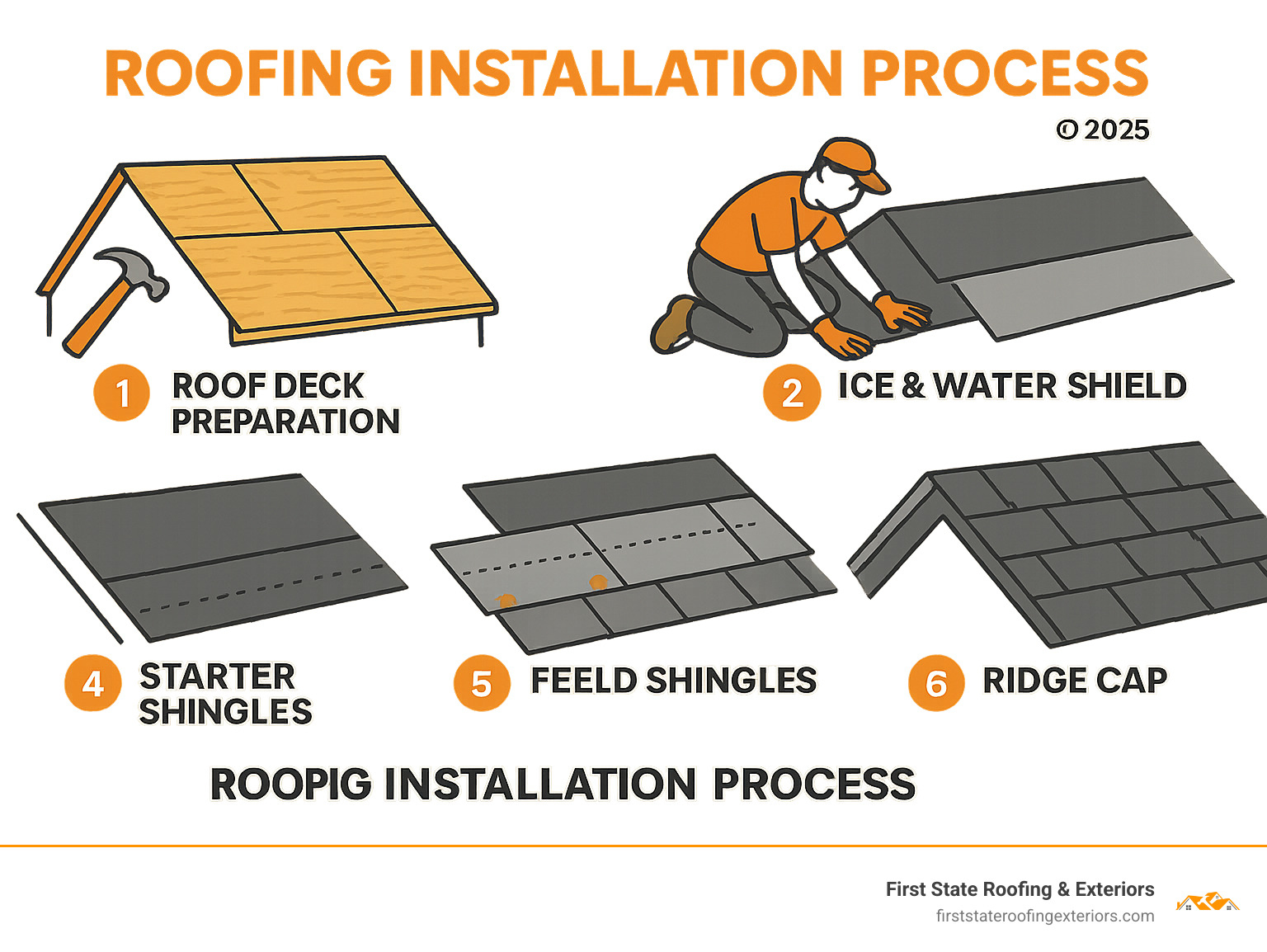
Regular inspections (twice a year) can catch these early. If you’re replacing, here’s a quick look at the installation process to know what to expect:
firststateroofingexteriors.com
Your Guide to a Seamless Roof Installation – First State Roofing & Exteriors Co.
Maintenance Tips to Extend Your Roof’s Life
- Clean gutters seasonally to prevent backups.
- Trim trees to avoid debris and damage.
- Check for granule loss on shingles—it’s a sign of aging.
- Invest in proper attic ventilation to reduce heat and moisture buildup.
- For new installs, choose certified contractors with warranties.
A well-maintained roof can last decades, saving you thousands.
Wrapping Up: Invest in Your Roof Today
In 2026, roofing is about smart choices that blend style, sustainability, and strength. Whether you’re eyeing solar upgrades or just fixing a leak, understanding trends, costs, and climate-specific materials empowers you to protect your home effectively. If your roof is over 20 years old, consider a professional inspection—it’s cheaper than emergency repairs. What’s your biggest roofing concern? Share in the comments, and stay dry out there!
Contact US: +17473422006
Email Us: contact@roofing-glendaleca.com