COMPLETE ROOF REPLACEMENT GLENDALE
Complete Roof Replacement in Glendale, CA
Look, nobody wakes up excited about needing a new roof. It’s one of those big home expenses that sneaks up on you. Maybe your insurance inspector flagged it. Or you’re seeing multiple leaks in different rooms. Sometimes it’s just that your roof has been around since the Reagan administration and you know time’s up.
Between you and me, we get calls from Glendale homeowners in various states of denial about their roof situation. Some folks have been patching leaks for years trying to squeeze another season out of an aging roof. Others just bought a house and the inspection revealed the roof needs replacement. Most people have questions about cost, timeline, and whether they really need to do this now.
We’ve been replacing roofs throughout Glendale and surrounding communities for over a decade. Our crew has installed everything from basic asphalt shingles to high-end tile systems on homes across the city. The process is straightforward when you work with experienced contractors, but there are definitely ways to mess it up.
What Roof Replacement Actually Entails
Roof replacement means removing all existing roofing material down to the roof deck, inspecting and repairing structural components, installing new underlayment and flashing, and putting on a completely new roof system. It’s more involved than people realize when they see those one-day roof replacement ads.
The process starts with tear-off. Our crew removes every shingle, tile, or existing material down to the plywood or OSB sheathing. This exposes the roof deck so we can assess its condition. Usually we find some damaged areas that need repair or replacement. Homes built in the 60s and 70s around Glendale often have original plywood that’s held up remarkably well, but sometimes we find sections damaged by old leaks or dry rot.
After deck repairs, new underlayment goes down. We use synthetic underlayment that resists tearing and UV exposure better than traditional felt paper. This layer provides waterproofing protection and helps the roof breathe properly. In valleys and other vulnerable areas, we install additional waterproof barriers.
Flashing installation happens next. This includes step flashing along walls, counter flashing for chimneys, valley flashing where roof slopes meet, pipe boots around plumbing vents, and drip edge along roof perimeters. Proper flashing prevents most leak issues. It’s frustrating when we tear off roofs and find previous installations with shoddy or missing flashing. That kind of corner cutting causes problems.
Finally, the new roofing material gets installed. For asphalt shingles, we follow manufacturer specifications for nailing patterns, overlap, and starter strips. Tile roofs require battens and proper fastening systems. Metal roofing uses specialized clips and fasteners. Each material has specific installation requirements that affect longevity and warranty coverage.
Most customers in Glendale choose architectural asphalt shingles because they offer good value, multiple color options, and 25 to 30 year warranties. Some opt for tile roofing to match neighborhood aesthetics, particularly in areas with Spanish-style homes. Metal roofing has gained popularity for its durability and energy efficiency.
How We Handle Your Roof Replacement Project
Usually we start with a comprehensive inspection and written estimate. Someone from our crew gets on your roof, takes detailed measurements and photos, assesses deck condition from what we can see, and evaluates any special circumstances like multiple stories, steep pitch, or difficult access.
The estimate breaks down costs for materials, labor, permits, dumpster rental, and any anticipated deck repairs. We explain different material options with pros and cons of each. Some customers want premium products with longer warranties. Others prioritize value options that perform well at lower cost. We’re here to present choices, not push specific products.
Once you approve the estimate, we order materials and schedule installation. Lead times vary by material type and season. Basic asphalt shingles are usually available within a week. Specialty tiles might take longer. We coordinate timing with weather forecasts and our crew availability.
Before starting, we apply for necessary permits through the city of Glendale. Permit requirements include submitting plans, paying fees, and scheduling inspections. We handle this process because we do it regularly and know what documentation the city needs.
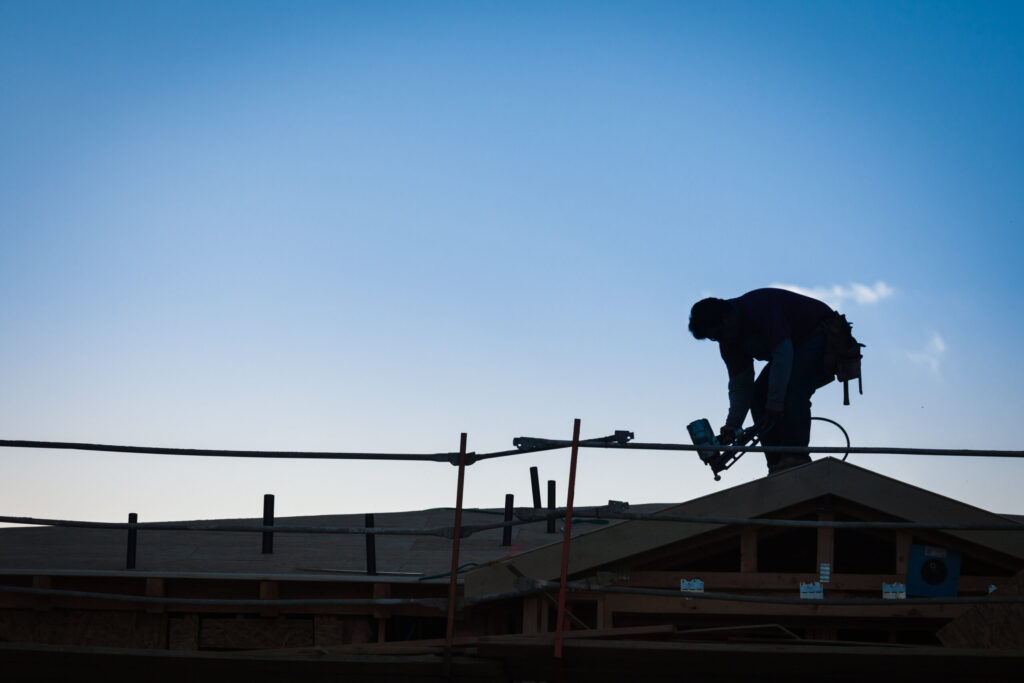
On installation day, our crew arrives early with all equipment and materials. We set up fall protection, cover landscaping and adjacent surfaces, and establish debris chutes for efficient tear-off. The old roof comes off in sections. We inspect exposed decking continuously and flag any problem areas for repair.
Deck repairs happen immediately after tear-off. We replace damaged plywood sections, reinforce sagging areas, and ensure the deck provides a solid substrate for the new roof. This step varies greatly between projects. Some roofs need minimal deck work. Others require extensive repairs that we couldn’t detect during initial inspection.
After decking is solid, underlayment installation begins. We work systematically from eaves to ridge, overlapping courses properly and fastening securely. Valley areas get extra protection. Edge details receive careful attention.
Flashing installation requires precision. Step flashing gets woven with siding materials. Chimney flashing involves counter flashing set into mortar joints or caulked properly to brick faces. Pipe boots seal around plumbing vents. Every roof penetration gets sealed properly.
The final roofing material goes on last. For shingles, we start at the eaves with starter strips and work up to the ridge. Each course overlaps the previous one correctly. Nailing patterns follow manufacturer specs. Ridge caps finish the peak. For tile roofs, battens are installed first, then tiles are hung and fastened. Metal roofing panels interlock and screw down to furring strips.
Cleanup happens continuously and at project completion. We use magnets to collect dropped nails. Tarps protect your yard and driveway. Debris goes into our rental dumpster. Most customers tell us their property looks cleaner after we finish than before we started. That’s intentional.
Final inspection by city building officials confirms the work meets code requirements. We schedule this and coordinate access. Once approved, we provide all warranty documentation and closeout paperwork.
Equipment and Materials for Professional Installation
Roof replacement requires substantial equipment. Our crew uses pneumatic nail guns, compressors, reciprocating saws, and various hand tools. For tear-off, we bring flat bars, roofing shovels, and specialized pry tools. Safety equipment includes harnesses, rope systems, roof jacks, and ladder stabilizers.
Material quality affects roof performance and longevity. We typically work with major manufacturers like GAF, Owens Corning, and CertainTeed for shingles. These companies provide excellent warranties when installation is done by certified contractors. For underlayment, synthetic products outperform traditional felt paper significantly.
Flashing materials include galvanized steel for standard applications and copper for premium installations or situations requiring superior corrosion resistance. We use professional-grade sealants and adhesives designed for roofing applications. Cheap caulk from hardware stores doesn’t hold up to UV exposure and temperature swings.
Ventilation components are critical but often overlooked. We install ridge vents, box vents, or turbine vents based on your attic size and configuration. Proper ventilation extends shingle life by reducing heat buildup and prevents moisture problems that rot deck sheathing.
The Real Cost of Delaying Roof Replacement
Putting off necessary roof replacement creates cascading problems. Worn roofs leak in multiple areas. Each leak damages insulation, ceiling materials, and potentially structural components. We’ve seen situations where homeowners spent thousands patching leaks on roofs that should have been replaced years earlier.
Energy efficiency suffers with aging roofs. Compromised ventilation increases cooling costs. Damaged insulation loses effectiveness. Your HVAC system works harder maintaining comfortable temperatures. Some customers report 20 to 30 percent reductions in energy costs after roof replacement with proper ventilation.
Resale value takes a hit when roofs are obviously aged or damaged. Home inspections identify roofing issues, which typically leads to price negotiations or repair credits. A new roof at sale time provides stronger negotiating position and removes buyer objections.
Insurance companies increasingly refuse to renew policies on homes with roofs over certain ages. Some insurers won’t cover roofs older than 15 to 20 years. Others require inspections and may drop coverage if the roof shows significant wear. Getting dropped by your insurer complicates finding replacement coverage at reasonable rates.
Structural damage escalates when roof leaks persist. Water rots roof decking, rafters, and ceiling joists. In severe cases, entire roof sections require rebuilding before new roofing can be installed. What would have been a standard replacement becomes a major structural repair project costing significantly more.
Health concerns arise from chronic moisture intrusion. Mold grows in damp environments created by roof leaks. Some mold species cause respiratory problems, particularly for people with asthma or compromised immune systems. Water stains indicate active moisture problems that support mold growth.
Why People Choose Us for Roof Replacement
Customers often mention our straightforward communication during the estimate process. We explain what needs doing and why. Options are presented clearly with honest pros and cons. No high-pressure sales tactics or manufactured urgency.
Our installations follow manufacturer specifications exactly. This matters for warranty coverage and long-term performance. We’re certified installers for major shingle brands, which means we’ve completed their training programs and maintain quality standards they require.
Project timelines are realistic and communicated clearly. Most residential roof replacements take two to five days depending on size, complexity, and weather. We provide start dates and stick to them unless weather intervenes. Daily cleanup keeps your property accessible and safe.
Quality control happens throughout installation. Crew leaders inspect work continuously. We photograph key stages for documentation. Final walkthrough with you addresses any questions or concerns. We don’t consider the job complete until you’re satisfied.
We’re fully licensed contractors in California and carry comprehensive insurance. This protects you from liability if accidents occur. Licensed contractors pull proper permits and follow building codes. Insurance covers property damage and worker injuries. These protections are crucial.
Warranties cover both materials and labor. Material warranties come from manufacturers and vary by product, typically ranging from 25 to 50 years. Our labor warranty covers installation defects for several years. We provide written warranty documentation and help with manufacturer registration.
Pricing reflects professional work with quality materials. We’re competitive without being suspiciously cheap. Rock-bottom prices usually mean corner cutting on materials, skipped steps, or unlicensed labor. We balance fair pricing with quality installation.
Communities We Serve Throughout the Area
We handle roof replacements across Glendale, CA and surrounding neighborhoods. Our crews are familiar with the area from hillside homes in Chevy Chase Canyon to properties near downtown around Brand Boulevard. We regularly work in Montrose, Verdugo City, Rossmoyne, and throughout the community.
Local building styles influence roofing choices. Spanish-style homes often get tile roofs to maintain architectural consistency. Mid-century ranches typically use asphalt shingles. Hillside properties may require special engineering for wind loads and seismic considerations.
We also serve Burbank, Pasadena, La Cañada Flintridge, and other nearby cities throughout Los Angeles County. If you’re in the general area, we can help.
Roof Replacement Questions We Hear Often
How long does roof replacement actually take?
Most residential roofs take two to five days from start to finish. Single-story homes with simple roof lines might complete in two days. Two-story homes with complex designs, multiple valleys, and numerous penetrations take longer. Weather delays sometimes extend timelines. We provide realistic estimates upfront and communicate any changes.
What’s the cost range for replacing my roof?
Residential roof replacements in Glendale typically run between $10,000 and $35,000 depending on size, material choice, pitch, and complexity. Asphalt shingle installations cost less than tile or metal. Steep roofs require more safety equipment and labor. Two-story homes cost more than single-story. We provide detailed written estimates after measuring your roof.
Can I just layer new shingles over the existing roof?
Building codes in most areas now prohibit more than two layers of roofing. Even where allowed, we don’t recommend it. Layering hides deck problems, adds weight to roof structure, reduces new shingle lifespan, and makes future replacement more expensive. Complete tear-off lets us inspect and repair the deck properly.
What roofing material lasts longest?
Tile and metal roofs typically last 40 to 60 years or more. Premium asphalt shingles last 25 to 30 years. Standard asphalt shingles last 20 to 25 years in our climate. Longevity depends on installation quality, maintenance, and exposure to elements. Sun and wind in Glendale affect all materials over time.
Do I need to be home during installation?
You don’t need to be present during work, but someone should be available for initial walkthrough and final inspection. We need access to power outlets and water if possible. Our crew is professional and respectful of your property. We lock up when leaving each day if you’re not home.
How much noise should I expect?
Tear-off is loud, especially in the morning when we’re ripping off old materials. The banging and scraping carry through the house. Nail guns during installation make rhythmic popping sounds. If you work from home or have young children, you might want to make alternative arrangements for tear-off day. Installation days are quieter.
What about my landscaping and plants?
We protect landscaping with tarps and plywood walkways where needed. Some debris falls despite precautions. Delicate plants directly under roof edges might get damaged. We use magnets to collect nails but recommend keeping pets and children away from work areas until final cleanup is complete.
Will you match my neighbors’ roofs?
We can get close. Bring photos or shingle samples if available. Manufacturers offer extensive color choices. HOA requirements sometimes dictate specific colors or styles. We work with most local HOAs and know their typical requirements. Exact matches are difficult if neighboring roofs are several years old because sun fades shingles.
What happens if you find major deck damage?
We call you immediately and explain what we found, why it needs fixing, and provide pricing for additional work. You approve any extra work before we proceed. Extensive deck damage sometimes extends the project timeline. We carry common decking materials on trucks for minor repairs but might need to order materials for major issues.
Do you handle old roof disposal?
Yes, disposal is included. We bring dumpsters for debris removal. Tear-off materials go directly into dumpsters via chutes or wheelbarrows. We haul everything away and pay disposal fees. Your property should be clean when we finish.Ready to discuss your roof replacement project? We offer free inspections and detailed written estimates with no pressure. Our experienced crew handles the entire process from permits to final cleanup. Call us to schedule an inspection. We’re here to answer questions and provide honest advice about your roofing needs.